Choosing The Right Specimen
When it comes to choosing the right specimen there are a few general rules to follow. In general, obviously the least amount of shot damage is always ideal. There are a lot of things that can be repaired and there are a few things that simply can’t be repaired. Knowing what to look for prevents any unexpected changes in the posing of your trophy bird. Sentimental birds such as a dog’s first/last retrieve, somebody’s first/last bird harvested, etc. we will obviously do everything in our power to work around the circumstances.
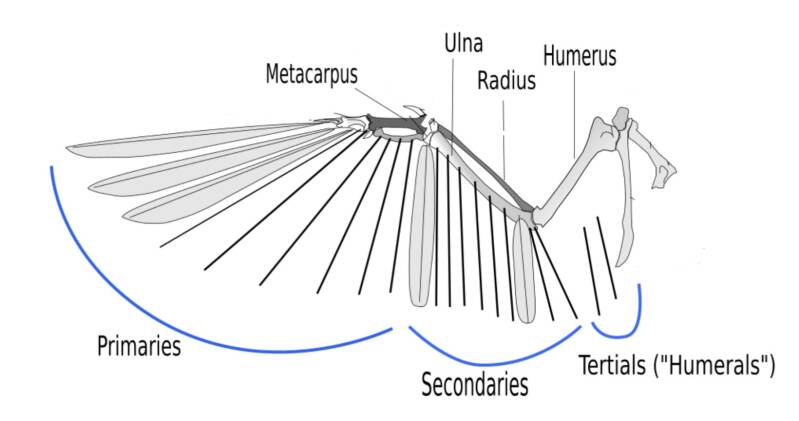
https://en.wikipedia.org/wiki/Bird_wing
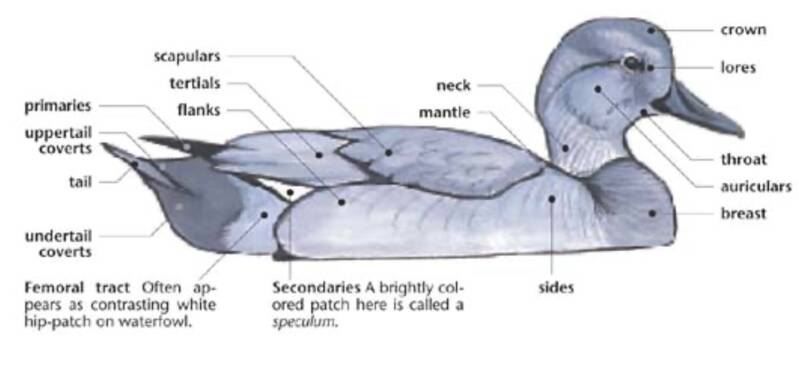
http://swartzentrover.com/cotor/Photos/Hiking/Birds/BirdPages/Anatomy/Anatomy.htm
If you want a flying bird…
Most flying birds are the most exposed all around and it can be difficult to hid damage. If you can select a bird with no breaks in their wings that is the most ideal.
- A broken humerus (shoulder to elbow) is typically pretty easy to repair and work around. This can be hidden with choice of pose/direction it faces on the wall.
- broken radius and/or ulna (elbow to wrist) typically repairable but possibly causes a decent amount of feather damage mid wing and is harder to hide. This doesn’t necessarily take flying poses off the table but it definitely limits the options.
- broken metacarpus (wrist) this break cannot be repaired with enough structural integrity to be posed in any open wing poses. Any birds with this break automatically will be limited to standing poses.
If you want a standing bird…
most standing poses are pretty forgiving and are possible with any kind of wing breaks, however, intact wing bones are ideal. When choosing a great standing bird specimen pay attention to
- side pocket/flank condition (feathers the bird tucks its wings into when standing - these would be the feathers that are gold with white bars on a wood duck)
- feet and legs artificial feet can definitely be used if there is too much damage to the legs/feet, however, it’s easier to get a more anatomically correct foot position with the foot posed out to fit the shape of the base when using the bird’s real feet.